UCC & MCA Data Supporting Business Financing, Lending, and Market Research
Looking for deeper insight into business financing activity?
NAICS.com has partnered with Mailinglists.com — with over 32 years of experience working with UCC and MCA-related data — offering access to Uniform Commercial Code filings and secured financing activity across the United States.
This data is commonly used by organizations involved in lending, merchant cash advances (MCA), risk assessment, due diligence, and market research to better understand financing relationships and business financial behavior.
44+ Million
UCC Records
9+ Million Merchant Cash Advance Records
Nationwide Coverage Across All Industries
Decades of Historical Filing Data
What Is UCC & MCA Data?
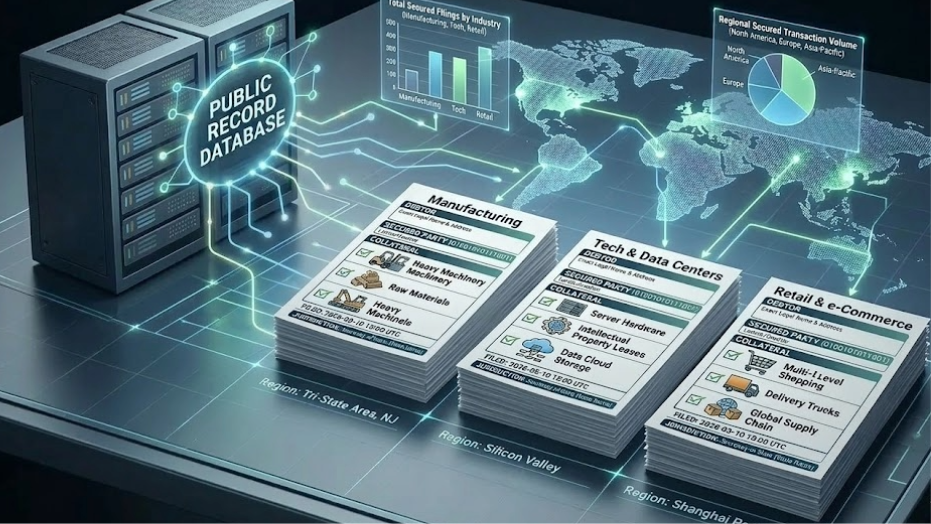
UCC (Uniform Commercial Code) data consists of public filings that document secured transactions between lenders and borrowers. These filings establish claims on business assets used as collateral and provide transparency into how organizations finance operations, equipment, inventory, and expansion.
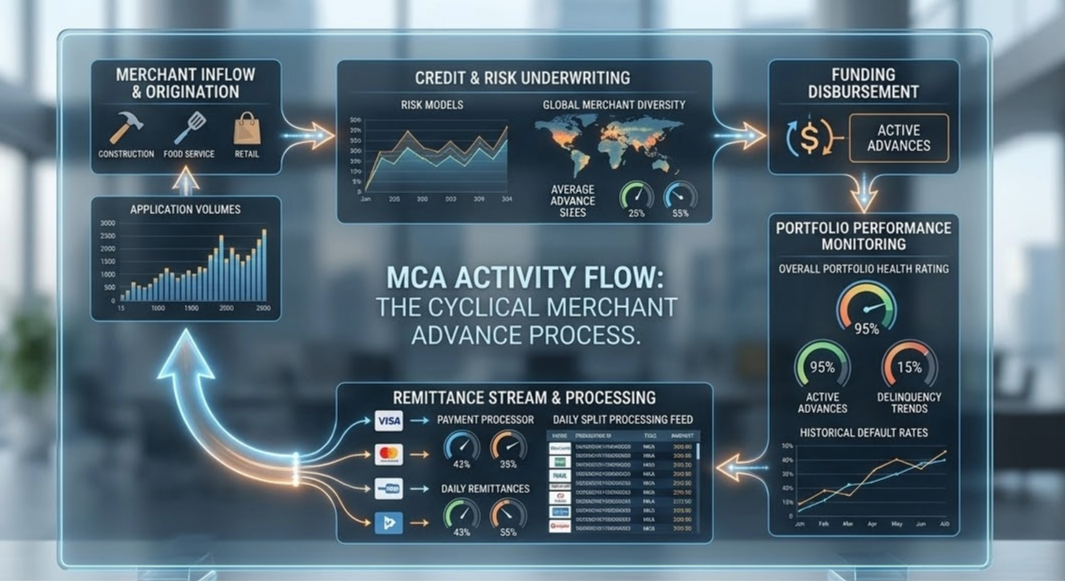
MCA (Merchant Cash Advance) activity often appears within UCC filings when funding providers secure advances using business receivables or other assets. While MCA agreements differ from traditional loans, related UCC filings can provide insight into recent funding activity, existing obligations, and financing patterns.
Together, UCC and MCA-related data help organizations gain a clearer view of business financing behavior, beyond what is visible through firmographics alone.
This data is accurately sourced, regularly updated, and structured to support informed analysis, planning, and decision-making.
Learn more about UCC/MCA Data at Mailinglists.com →Referred by NAICS.com (redirects to External Partner Site)
The data is accurately sourced, regularly updated, and structured to support targeted UCC/MCA marketing efforts. UCC/MCA Contact Data Requests are handled by Mailinglists.com.
Snapshots
High-level preview of key data elements available within the UCC & MCA database.
Debtor Information
- Business Name
- DBA (Doing Business As)
- Mailing Address
- SIC / Industry Code
- Top Contact Name
- Sales Volume
- Mobile Phone Number
- Email Address
Secured Party/Lender
- Company Name
- Secured Party Address
UCC/MCA Filing Details
- Filing Date
- State Filed
- Collateral Code
Submit a request to learn the full extent of available coverage.
Industries Actively Using UCC / MCA Data
Business types that regularly leverage UCC & MCA filings for prospecting, underwriting, and competitive intelligence.
Banks & Commercial
Lenders
- Commercial Lending Divisions
- SBA Lending Groups
- Equipment Finance Companies
- Asset-Based Lenders • Regional & Community Banks
MCA & Alternative
Funding Providers
- Merchant Cash Advance Companies
- Revenue-Based Financing Firms
- Online / Fintech Lenders
- Private Commercial Finance Companies
Brokers & ISOs
- MCA Brokers
- Independent Sales Organizations (ISOs)
- Funding Placement Firms
- Syndication Partners
Lead Buyers & Sales
Organizations
- Direct Sales Teams
- Call Centers
- Performance Marketing Companies
- High-Volume Funding Operations
How Organizations Use UCC & MCA Data
1. Risk & Credit Analysis
Gain visibility into secured lending and financing activity before making financial or
strategic decisions. Organizations use UCC and MCA-related data to review active filings,
understand collateral relationships, and identify existing financial obligations that may
impact risk exposure.
Idea trigger: “We need to understand a company’s financial position before moving forward.”
2. Sales & Business Development
Identify businesses with active or recent secured financing activity. UCC filings publicly list
the debtor (the borrowing business) and the secured party (the lender or funding
provider) — providing clear visibility into who is financing whom.
For lenders, MCA providers, and financial services teams, this insight can reveal which
businesses are currently funded, which competitors hold secured positions, and where
opportunities may exist for future outreach or refinancing conversations.
Idea trigger: “Who is actively borrowing and who is financing them?
3. Market Research & Planning
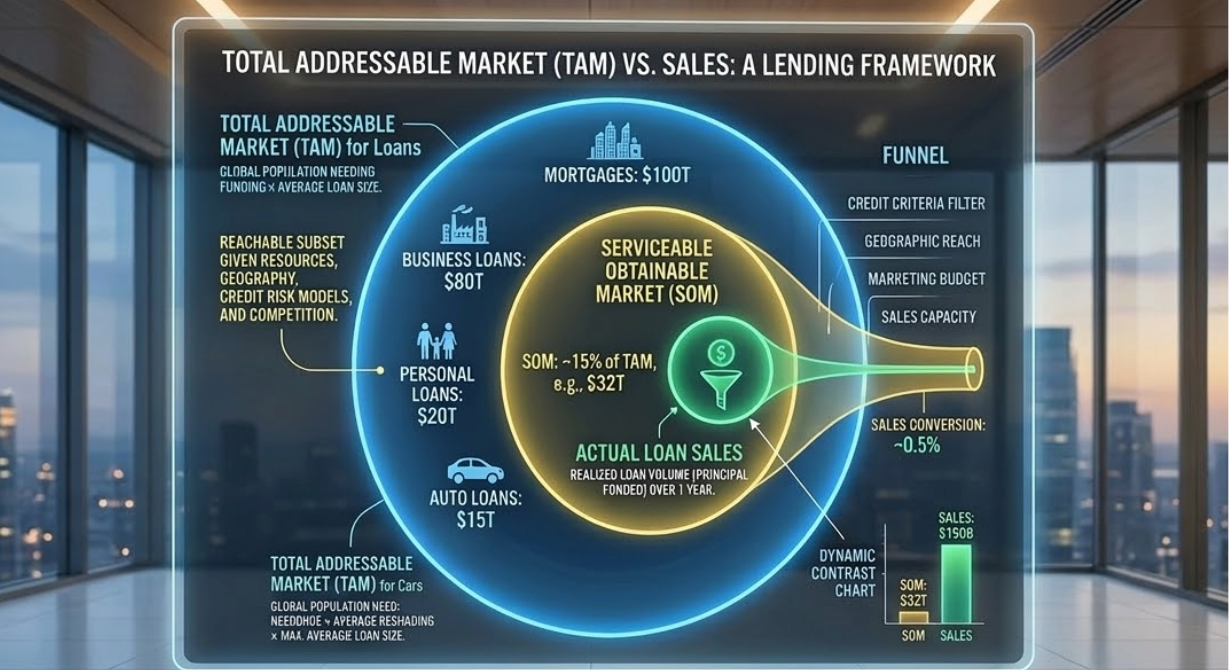
Support research and planning efforts by analyzing secured transaction activity across
industries or regions. Teams use UCC data to validate assumptions, identify trends, and
align planning with real market activity.
Idea trigger: “We’ve been planning around market activity — but not validating it.”